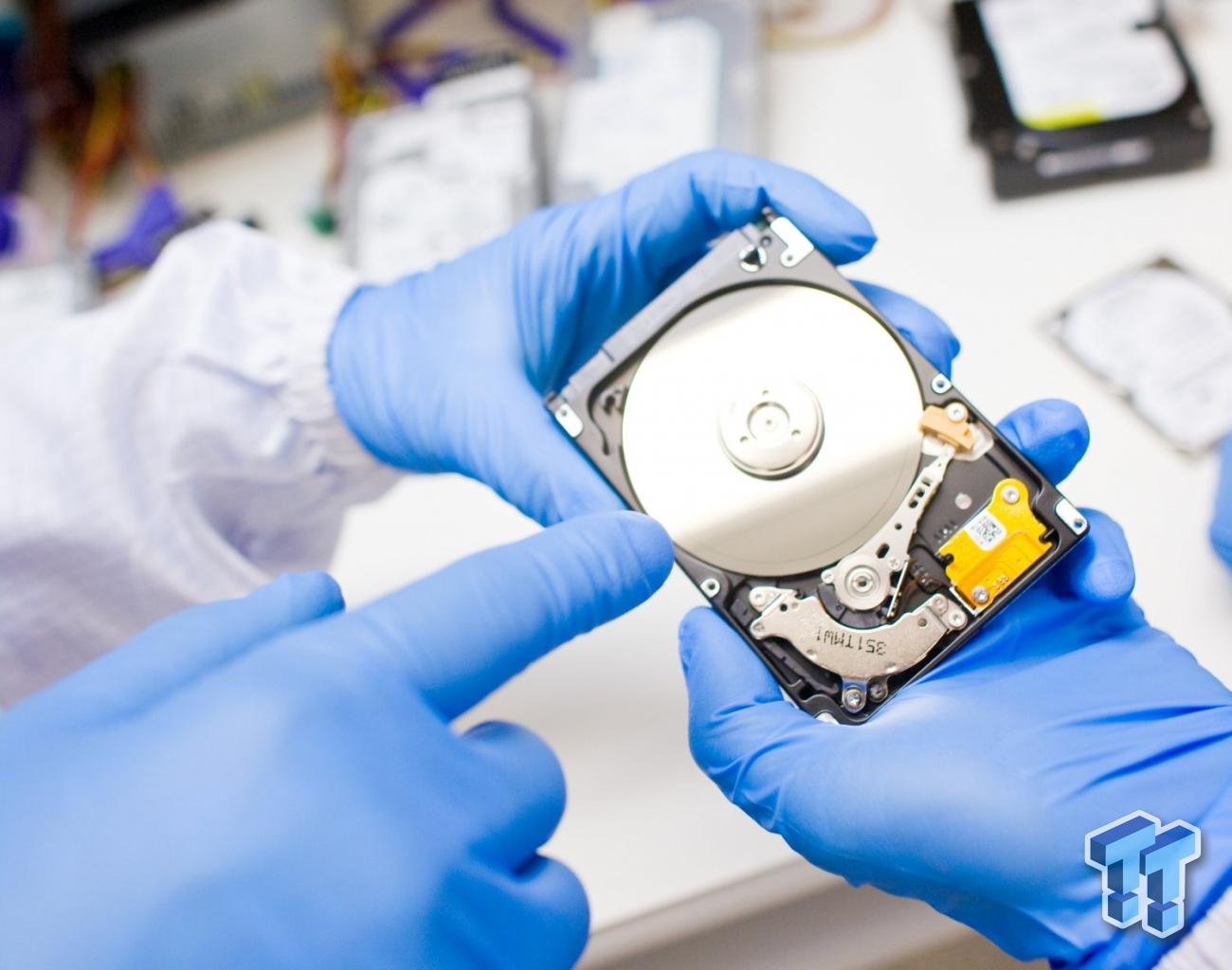
Hard drives are essential for storing valuable data—be it important files, images, videos, or client information for professionals. As storage capacities continue to increase, hard drives remain vulnerable to damage, making it crucial to understand the appropriate steps to perform data recovery from a malfunctioning or inaccessible hard drive. In this guide, we will explore effective methods of data recovery, highlighting both free and advanced options for retrieving data when a hard drive fails.
Understanding Data Recovery
Data recovery refers to the process of retrieving lost, corrupted, or inaccessible data from storage devices like hard drives, SSDs, and other media. This is especially important when a device becomes physically damaged or when software issues prevent access to the data.
Hard drives are susceptible to a range of issues, including physical failure, logical damage, and system crashes. Understanding the type of damage and the most effective recovery method is vital in preventing further data loss.
Step 1: Free Data Recovery Software
For minor issues where the operating system is still functional, there are numerous free data recovery software options available for Windows, macOS, and Linux. These programs are designed to scan your hard drive for recoverable files and allow you to copy them to a secure location, such as an external drive.
Popular free data recovery tools include:
- Recuva (Windows): A simple, user-friendly tool for recovering lost files from damaged drives.
- PhotoRec (Windows, macOS, Linux): Open-source software that specializes in recovering multimedia files.
- TestDisk (Windows, macOS, Linux): A powerful tool for recovering lost partitions and files.
These tools are often sufficient for non-critical data loss, such as accidentally deleted files or minor corruption. They typically operate by scanning the drive for remnants of deleted data and restoring them.
Step 2: Using a Live USB or CD/DVD for System Failures
If your operating system is no longer functioning, you can still access your data by booting from a Live USB or CD/DVD. This method bypasses the damaged system, allowing you to access your hard drive through a separate operating environment like Linux.
Steps for using a Live USB or CD/DVD:
- Create a Live USB or Bootable CD/DVD: Download a Linux distribution, such as Ubuntu, and create a bootable USB or CD/DVD. This can be done using free tools like Rufus (for Windows) or Etcher (for macOS).
- Change Boot Order: Insert the Live USB or CD/DVD into your computer and restart. Access your computer’s BIOS/UEFI settings and change the boot order to prioritize the USB or CD/DVD drive.
- Boot into Linux: Once the computer boots into Linux, you will be able to access your hard drive, even if the operating system on the drive is corrupted or unbootable.
- Recover Files: Copy the important files from your damaged hard drive to a secure external storage device such as another USB drive or external hard drive.
This method offers several advantages:
- Cost-effective: It only requires a USB key or CD/DVD, making it an inexpensive solution for data recovery.
- Non-invasive: You don’t need to open your computer, making it safer for the hardware.
- Easy to use: Most Live USB distributions are user-friendly and don’t require advanced technical knowledge.
However, there are also some challenges:
- Initial setup: You will need to create a Live USB or bootable CD/DVD, which may be complex for some users.
- Limited recovery options: While effective for basic data recovery, this method may not be suitable for complex data loss situations, such as physical drive damage.
Step 3: Advanced Data Recovery Techniques
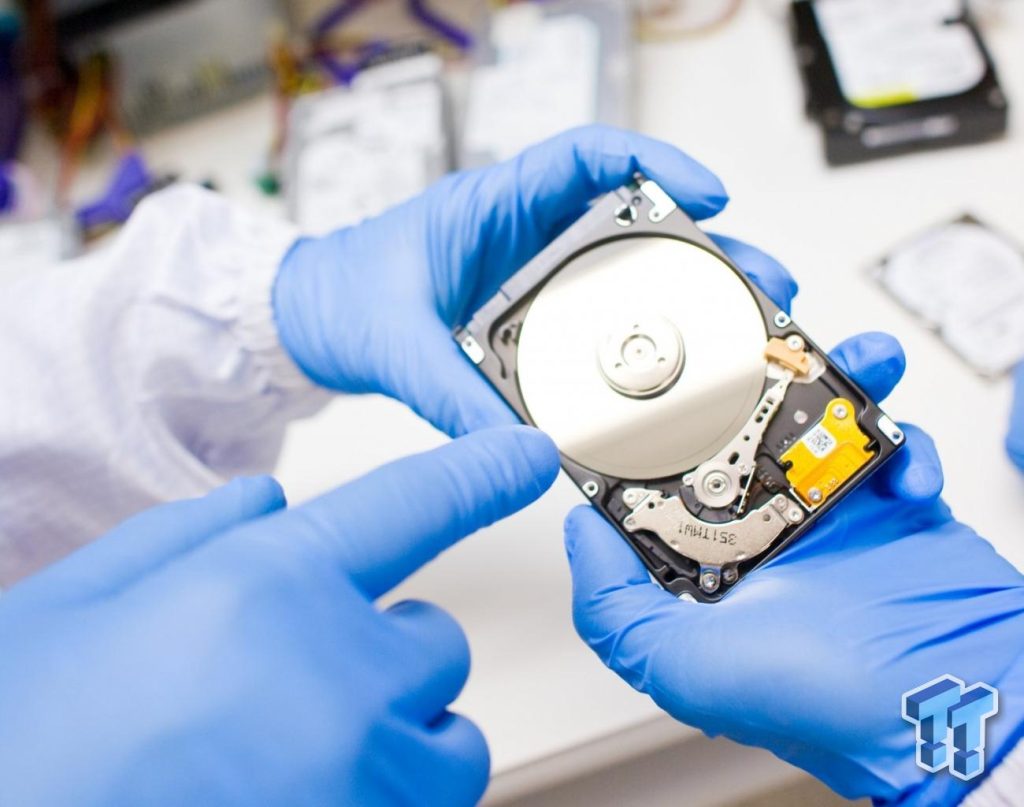
For more severe data loss, such as when the hard drive has suffered physical damage or when software-based solutions are ineffective, it may be necessary to turn to professional data recovery services.
Professional recovery services involve specialized tools and techniques that can recover data from severely damaged or corrupted drives. These services are typically performed in cleanroom environments to prevent further damage to the hard drive. Professional services also offer data recovery from RAID arrays, SSDs, and devices with encrypted data.
While professional data recovery can be expensive, it is often the only solution for critical data loss, such as for businesses that rely on sensitive data.
Step 4: Preventive Measures
While data recovery is crucial when disaster strikes, it’s equally important to take steps to protect your data from future loss. Regular backups, proper handling of storage devices, and the use of reliable hardware can all help mitigate the risk of data loss.
- Back up data regularly: Implement automated backup solutions to keep your data safe. Cloud storage, external hard drives, and NAS devices are excellent options for backing up critical files.
- Use reliable hardware: Invest in high-quality hard drives and SSDs that offer improved durability and reliability.
- Install antivirus software: Keep your system protected from viruses and malware that could damage your hard drive.
Conclusion
Data recovery from a hard drive can be a complex process, but with the right tools and techniques, it is often possible to retrieve lost or inaccessible files. Whether using free data recovery software for minor issues, booting from a Live USB or CD/DVD to recover files when the system fails, or seeking professional help for severe cases, understanding these methods can save both time and money.
Remember, the best way to ensure your data remains safe is to maintain regular backups and take preventive measures to safeguard your hardware.
About the Author